
Layering Tips for Women's Dresses Throughout the Year: A Complete Seasonal Style Guide
-
 StylerOutlet
 - StylerOutlet Blog
- Jul 21, 2026
There's a moment every woman with a well-loved dress collection eventually faces: standing in front of the closet, staring at a favorite piece, and wondering, "Can I even wear this right now?" Maybe it's a breezy floral number that feels too thin for October, or a cozy long-sleeve dress that seems out of place in July. The good news is that almost any dress can work almost any time of year - the trick is knowing how to layer it.
Layering isn't just a cold-weather survival tactic. It's a styling skill that transforms a handful of dresses into dozens of outfits, stretches your wardrobe budget further, and lets your personal style shine no matter what the thermometer says. This guide walks through everything from fabric science to season-by-season formulas, so you can look at your dresses less as single-season pieces and more as year-round foundations.
Why Layering Makes Dresses More Versatile
Think of a dress as a blank canvas rather than a finished outfit. On its own, it has one mood and one temperature range. Add a denim jacket, and it becomes casual weekend wear. Swap that for a tailored blazer, and suddenly it's office-appropriate. Throw on a chunky cardigan and boots, and it reads as an autumn staple.
This is the real value of layering: it multiplies your outfit options without multiplying your closet space. A single midi dress can become four or five distinct looks depending on what you pair with it, which is a far more sustainable approach to getting dressed than buying a new outfit for every season and occasion.
There's also a practical, comfort-driven reason to layer. Indoor heating and air conditioning rarely match the temperature outside, and many days start cool and end warm (or vice versa). Layering gives you the flexibility to add or remove pieces as conditions change, rather than committing to one temperature all day.
Stylist Tip: Before shopping for new pieces, take inventory of the dresses you already own. Most layering gaps can be solved with two or three well-chosen jackets or cardigans rather than new dresses.
Understanding Dress Fabrics Before Layering
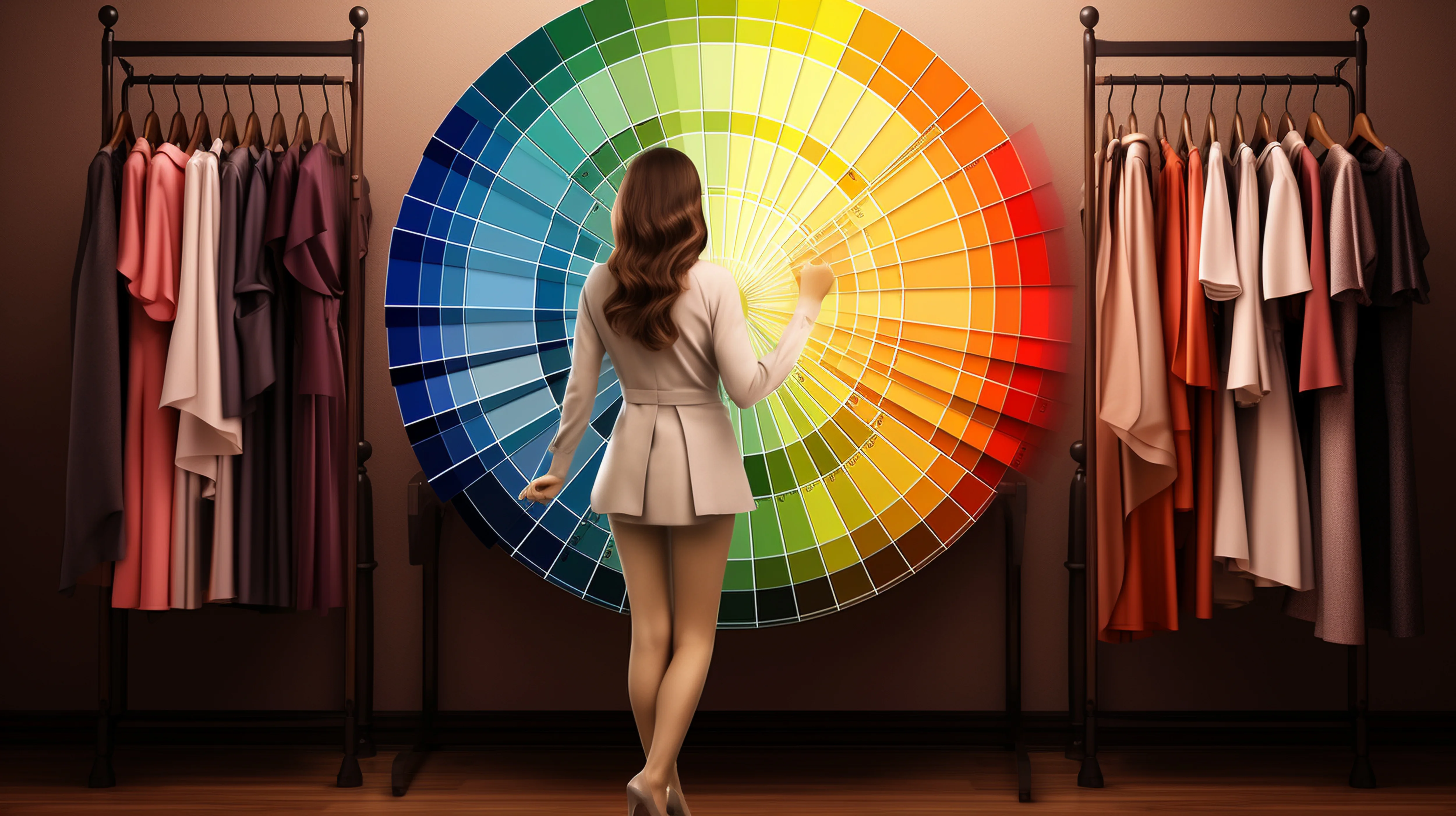
Good layering starts with understanding what's underneath. Fabric determines how a dress breathes, how it drapes under a jacket, and how warm (or cool) the finished outfit will feel.
|
Fabric |
Best For |
Layering Behavior |
|
Cotton |
Spring, summer |
Breathable, layers well under lightweight jackets without bulk |
|
Linen |
Summer |
Very breathable, wrinkles easily, pairs best with open layers |
|
Silk/Satin |
Transitional seasons, evening |
Slippery against knits, better under structured jackets |
|
Jersey/Knit |
Fall, winter |
Stretchy and warm, layers smoothly under fitted coats |
|
Chiffon |
Spring, summer, layering piece itself |
Sheer and light, often needs a slip or cardigan underneath |
|
Wool blend |
Winter |
Naturally insulating, minimal extra layering needed |
The general rule is to pair opposite-weight fabrics rather than doubling up on the same texture. A silky slip dress feels elevated under a structured wool coat, while a heavier ponte dress can get overwhelming under another thick layer. When two fabrics are too similar in weight, outfits can look stiff or feel uncomfortably warm.
Stylist Tip: If a fabric is sheer or lightweight (like chiffon or thin cotton), always plan for at least one supporting layer - even in summer - for coverage and structure, not just warmth.
Essential Layering Pieces Every Woman Should Own
Before diving into seasonal specifics, it helps to build a small capsule of layering staples. These are the pieces that do the heaviest lifting across the whole year:
- A lightweight denim jacket
- An open-front cardigan (mid-weight, neutral color)
- A tailored blazer
- A trench coat
- A wool or wool-blend coat
- A leather or faux-leather jacket
- A cropped knit sweater
- A versatile scarf (lightweight and a heavier knit version)
With these eight pieces in rotation, almost any dress in your closet can be adapted to nearly any season or setting.
Spring Layering Tips
Spring is the season of unpredictable weather - sunny mornings, chilly afternoons, sudden rain. The goal is flexibility: light layers you can add or remove without overheating.
- Pair floral or lightweight dresses with a denim jacket for a casual, effortless look.
- Add a trench coat over a shirt dress for rainy days and polished errands.
- Use a thin cardigan as a mid-layer under a jacket on cooler mornings, then shed it by afternoon.
- Introduce ankle boots or loafers to bridge the gap between winter boots and summer sandals.
Spring Checklist
- Lightweight jacket within reach
- Cardigan for temperature swings
- Transitional footwear (not heavy boots, not sandals)
- A crossbody bag that pairs with both casual and polished layers
Summer Layering Tips
Layering in summer feels counterintuitive, but it's less about warmth and more about coverage, sun protection, and adapting to over-air-conditioned spaces.
- Choose linen or cotton kimono-style cover-ups over sundresses for beach days or brunch.
- Keep a lightweight cardigan in your bag for offices, restaurants, and flights where AC runs cold.
- Use wide-brim hats and sunglasses as functional summer "layers" that also elevate the outfit.
- For evenings, a thin silk scarf draped over the shoulders adds warmth without bulk.
Stylist Tip: Summer layering should always breathe. Avoid anything with a tight weave or heavy lining, even if it looks thin - it can trap heat.
Autumn Layering Tips
Fall is arguably the most rewarding season for dress layering, since it invites richer textures and more visible layering combinations.
- Style a midi dress under a chunky cardigan, cinched with a belt at the waist for shape.
- Add tights underneath shorter dresses to extend their wearability into cooler weeks.
- Pair floral summer dresses with a leather jacket to instantly shift the mood from breezy to edgy.
- Introduce ankle boots and a structured tote to round out the transitional palette.
Autumn Checklist
- Opaque or patterned tights on hand
- A belt for cinching oversized layers
- One statement jacket (leather or suede)
- Knit layers in warm, earthy tones
Winter Layering Tips
Winter layering is where fabric science matters most, since the goal is warmth without bulk.
- Wear a fitted turtleneck or long-sleeve top under a sleeveless or short-sleeve dress, then top with tights and boots.
- Choose a wool coat or puffer as the outer layer, saving cardigans for indoor mid-layers.
- Add thermal or fleece-lined tights for warmth that doesn't show.
- Use a structured tote or crossbody that won't get lost under bulky coats.
Stylist Tip: Layer thin-to-thick, not thick-to-thick. A fitted base layer, a mid-weight dress, and a substantial outer coat will always look and feel better than three bulky pieces stacked together.
Layering Ideas for Different Dress Types
Different dress silhouettes respond to layering in different ways. Here's a breakdown by style:
Maxi Dresses
Long lines pair beautifully with a cropped denim or leather jacket, which breaks up the length and adds proportion. In colder months, a long cardigan that nearly matches the dress length keeps the silhouette elongated rather than boxy.
Midi Dresses
The most versatile length for layering. Blazers, cardigans, and trench coats all work well since the hem doesn't compete with jacket length. A belt at the waist helps define shape under bulkier layers.
Mini Dresses
Tights and knee-high boots are the easiest way to extend a mini dress into cooler seasons. Oversized cardigans or blazers also balance out the shorter hemline.
Floral Dresses
Florals often read as "spring only," but a leather or denim jacket instantly grounds them for fall. In winter, a solid-color wool coat lets the print peek out at the collar and hem.
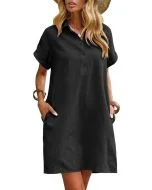
Shirt Dresses
Already layer-friendly by design. Add a vest, a fitted cardigan, or roll the sleeves and layer a denim jacket over the top for a relaxed, editorial feel.
Wrap Dresses
The fitted waist means bulkier outer layers work without adding volume. Blazers and structured coats look especially polished over wrap silhouettes.
Bodycon Dresses
Balance the fitted shape with an oversized layer - a longline cardigan, an unstructured blazer, or a boxy denim jacket - to avoid an overly tight, one-note silhouette.
Choosing the Right Jackets, Cardigans, and Blazers
|
Outer Layer |
Best Occasion |
Works Best With |
|
Denim jacket |
Casual, weekend |
Floral, mini, shirt dresses |
|
Blazer |
Office, smart-casual |
Midi, wrap, bodycon dresses |
|
Trench coat |
Rainy days, travel |
Shirt, midi, maxi dresses |
|
Leather jacket |
Evening, edgy casual |
Floral, mini, slip dresses |
|
Wool coat |
Winter, formal |
Maxi, midi dresses |
|
Cardigan |
Everyday, layering indoors |
Any dress type |
Choosing the right outer layer often comes down to matching formality levels. A structured blazer instantly makes a casual dress office-appropriate, while a relaxed cardigan can dress down an otherwise formal piece.
Styling Dresses with Scarves, Belts, and Jewelry
Accessories are the fastest way to change the personality of a layered outfit without changing the layers themselves.
- Scarves add color and texture; a lightweight silk scarf tied at the neck softens a structured blazer, while a chunky knit scarf adds coziness to a winter coat look.
- Belts define the waist when outer layers are boxy or oversized, keeping the silhouette intentional rather than shapeless.
- Jewelry signals occasion: delicate pieces read as daytime or office, while statement earrings or layered necklaces shift the same outfit into evening territory.
Stylist Tip: When layering multiple pieces, choose one accessory to be the "statement" and let the others stay simple. Competing statement pieces can make a layered outfit feel cluttered.
Footwear Pairing Guide for Every Season
|
Season |
Recommended Footwear |
|
Spring |
Loafers, ankle boots, low block heels |
|
Summer |
Sandals, espadrilles, slide sandals |
|
Autumn |
Ankle boots, knee-high boots, loafers |
|
Winter |
Knee-high or over-the-knee boots, closed booties |
Footwear anchors the whole layered look. As a general rule, closed-toe shoes pair with heavier layers, while open shoes belong with lighter ones - mixing the two (like sandals under a wool coat) tends to look mismatched.
Layering for Different Body Shapes
Layering can also be used intentionally to balance proportions:
- Pear shapes: Structured jackets that hit at the hip draw attention upward; avoid bulky layers that add width at the hips.
- Apple shapes: Open-front cardigans and blazers create a vertical line down the center of the body, which is more flattering than closed, boxy layers.
- Hourglass shapes: Belted layers highlight the waist; avoid layers that hide the natural shape entirely.
- Rectangle shapes: Cropped jackets and cinched belts help create the illusion of curves.
- Petite frames: Cropped layers keep proportions balanced; long, heavy coats can visually shorten the frame.
- Tall frames: Longer layers, like maxi cardigans or trench coats, work well since there's more length to fill.
The goal isn't to hide any body shape - it's to use layering as a proportion tool, the same way a stylist would.
Common Dress Layering Mistakes to Avoid
- Doubling up on bulk - heavy tights, a thick dress, and a puffer coat together can look and feel overwhelming.
- Ignoring proportions - pairing a long cardigan with a maxi dress can erase the waistline entirely.
- Mismatched formality - a gym-style zip hoodie over a silk slip dress rarely reads intentionally.
- Skipping the mid-layer - jumping straight from a sleeveless dress to a heavy coat leaves an awkward warmth gap.
- Forgetting shoes - sandals under a wool coat, or heavy boots under a summer sundress, break the seasonal logic of the outfit.
- Over-accessorizing - too many statement pieces layered together can compete rather than complement.
Capsule Wardrobe Tips for Year-Round Styling
A layering-friendly capsule wardrobe usually includes:
- 4–6 versatile dresses (a mix of midi and mini lengths)
- 2–3 jackets covering casual, professional, and cold-weather needs
- 1–2 cardigans in neutral tones
- A trench coat and a wool coat
- Tights in both opaque black and a neutral tone
- 2 pairs of boots (ankle and knee-high) plus one pair of sandals or loafers
- A small selection of scarves and belts
With this foundation, each dress can realistically be styled 8–10 different ways across the year, which is a far more efficient (and sustainable) approach than chasing seasonal trends piece by piece.
Key Takeaways
- Layering multiplies outfit options from the same core dresses, season after season.
- Match fabric weights thoughtfully - opposite textures usually layer better than similar ones.
- Build a small capsule of jackets, cardigans, and coats rather than buying new dresses for every season.
- Use tights, boots, and mid-layers to stretch summer dresses into fall and winter.
- Accessories (scarves, belts, jewelry) shift the mood of a layered outfit without adding bulk.
- Layering can be used intentionally to balance proportions for any body shape.
- Avoid stacking layers of similar weight or mismatched formality levels.
Frequently Asked Questions
- Can summer dresses be worn in winter? Yes. Adding tights, a long-sleeve base layer, and a wool coat or heavy cardigan makes most summer dresses winter-appropriate.
- What's the easiest way to layer a dress for the office? A tailored blazer over a midi or wrap dress is the fastest way to create a polished, office-ready look.
- How many layering pieces do I actually need? A small capsule of about eight pieces - a denim jacket, cardigan, blazer, trench coat, wool coat, leather jacket, knit sweater, and two scarves - covers nearly every season and occasion.
- Should I layer thick fabrics under thick fabrics for extra warmth? No. Layering thin-to-thick (a fitted base layer, then the dress, then a substantial coat) is warmer and more flattering than stacking heavy fabrics together.
- What shoes work best with layered outfits? Match shoe weight to layer weight - boots for heavier layers, loafers or sandals for lighter ones.
- How do I keep a layered outfit from looking bulky? Choose one fitted element (a belt, a bodycon dress, or fitted base layer) to anchor the silhouette, and avoid stacking multiple oversized pieces.
- Can layering help flatter my body shape? Yes. Structured layers, belts, and strategic cropping can all be used to balance proportions for different body shapes.
- What's the biggest layering mistake people make? Mismatched formality - pairing casual layers like hoodies with dressier pieces like silk slip dresses is the most common misstep.
- How do I layer a sleeveless dress in winter? Add a fitted long-sleeve top underneath, tights below, and a wool coat or heavy cardigan on top.
- Is layering more about style or practicality? Both. Layering solves real temperature challenges while also multiplying styling options from the same wardrobe.
Conclusion
Layering is less a seasonal chore and more a styling superpower. Once you understand how fabrics behave together, which jackets suit which dress silhouettes, and how accessories and footwear complete the picture, a small dress collection can carry you through every season with ease. The next time you reach for a favorite dress, don't ask whether it's "the right season" - ask what it needs layered on top, underneath, or around it instead.









 RSS Feed