
The Psychology of Colors in Fashion: What Your Outfit Says About You
-
 StylerOutlet
 - StylerOutlet Blog
- Jun 22, 2026
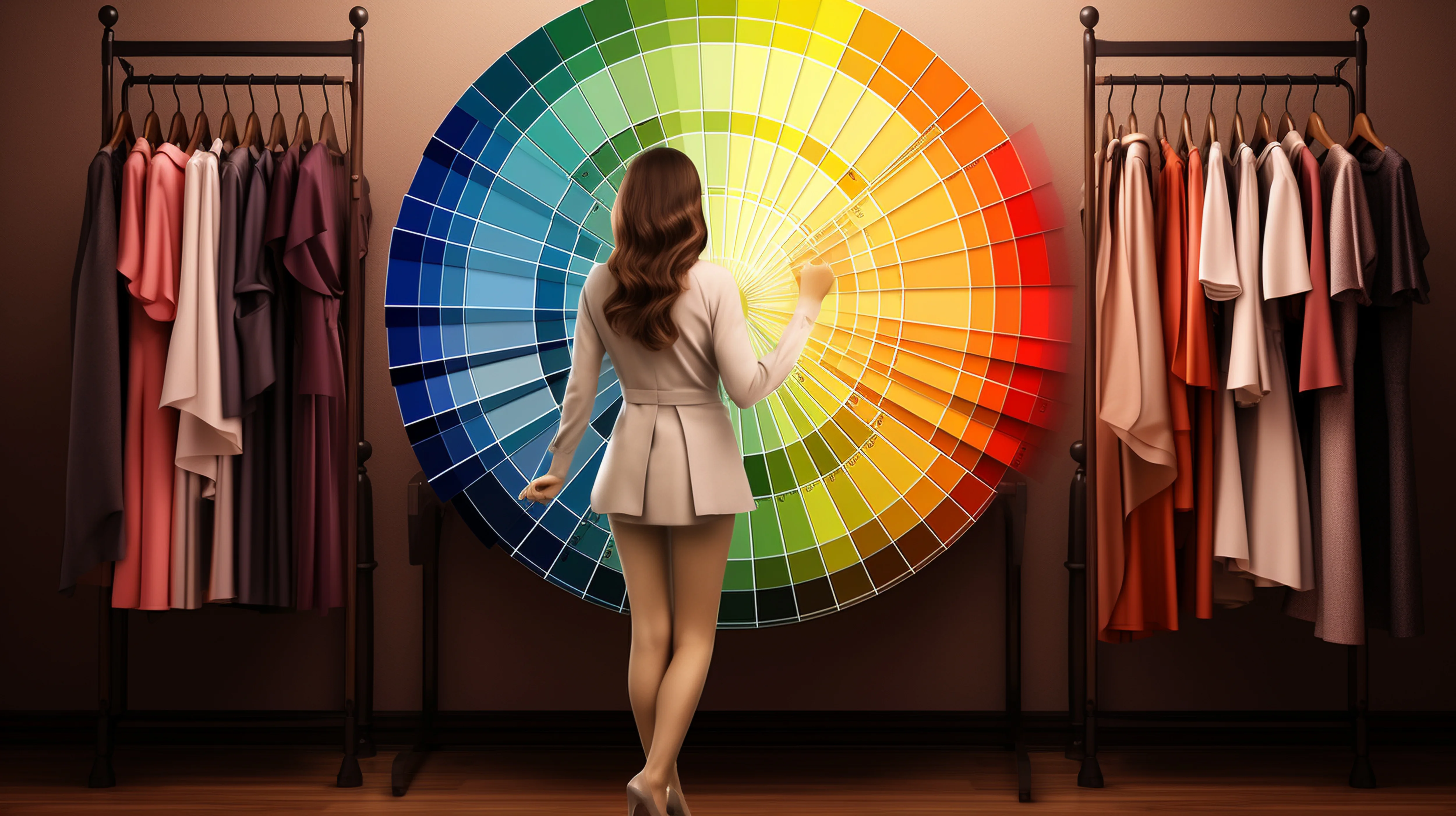
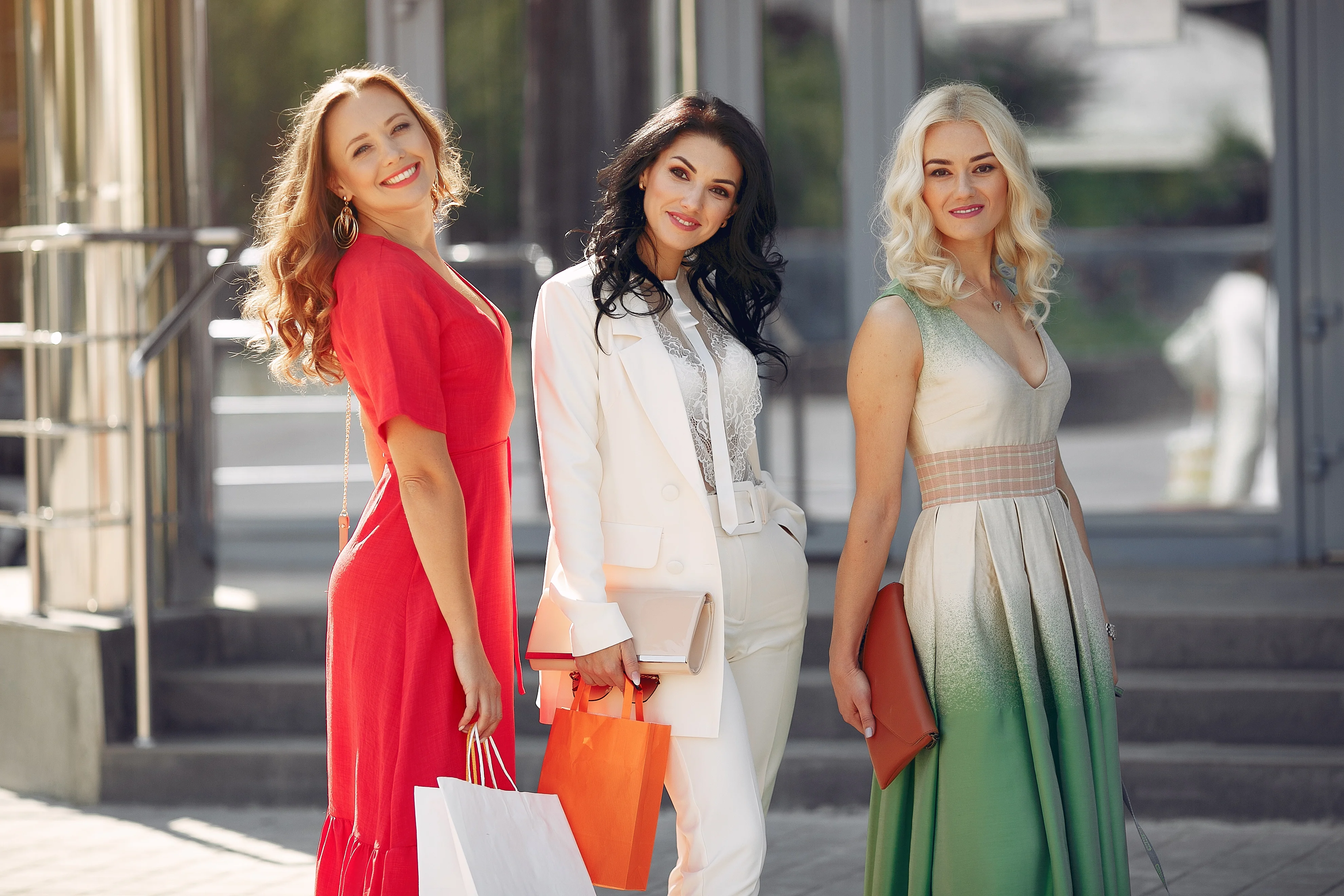
Have you ever noticed how wearing a particular color can instantly change the way you feel? A bright yellow outfit can make you feel energetic, while a navy-blue blazer often creates a sense of professionalism and confidence. These aren't just coincidences. The colors we wear influence our emotions, shape the way others perceive us, and even affect our confidence throughout the day.
Whether you're exploring the latest women's fashion trends or building a timeless wardrobe, understanding the impact of color can help you make smarter style choices. The right color combinations not only enhance your appearance but also reflect your mood, personality, and confidence in every setting.
Fashion is much more than following trends or wearing expensive brands. It is one of the simplest and most powerful ways to express personality without saying a single word. Before someone hears your voice or gets to know you, they often form an impression based on what they see. The colors in your outfit play a significant role in creating that first impression.
Color psychology has long been used in marketing, branding, interior design, and art. Women's fashion is no different. Designers and stylists often use color strategically to create specific emotions and visual appeal. Understanding how different colors communicate emotions and personality can help you build a wardrobe that reflects who you are while making dressing for different occasions much easier.
In this guide, we'll explore the psychology behind popular clothing colors, how they influence perception, and how you can use them to create outfits that leave a lasting impression while making more confident women's fashion choices for work, casual outings, special events, and everyday wear.
Why Color Matters More Than You Think
When choosing clothes, many people focus on the style, fabric, or fit, but color often becomes an afterthought. In reality, color is usually the first thing people notice about an outfit.
Our brains process colors almost instantly, creating emotional responses before we consciously analyze what someone is wearing. This is why people often associate certain colors with confidence, trust, excitement, elegance, or creativity.
While personal preferences and cultural influences can affect how colors are interpreted, many color associations remain surprisingly consistent across different societies.
The key is not to limit yourself to one favorite color but to understand what each color communicates and when it works best.
Black: The Color of Confidence and Sophistication
Black has always been associated with elegance, authority, and confidence. It is one of the most versatile colors in fashion because it works for almost every occasion.
People often choose black when attending interviews, formal dinners, business meetings, or evening events because it creates a polished and refined appearance.
Black also has the unique ability to simplify an outfit. Even basic clothing pieces often look more premium when designed in black.
However, wearing black from head to toe every day may sometimes appear distant or overly serious. Mixing black with softer shades like beige, white, or grey creates a more balanced look.
White: Simplicity, Freshness, and Elegance
White symbolizes cleanliness, simplicity, honesty, and new beginnings.
A crisp white shirt remains one of the most timeless wardrobe essentials because it pairs effortlessly with almost every color.
White outfits often create a fresh and sophisticated appearance, especially during warmer seasons. They also reflect light, making them ideal for summer fashion.
Although white can look luxurious, it requires more maintenance than darker colors. Keeping white garments clean and wrinkle-free helps maintain their elegant appeal.
Blue: Trust, Calmness, and Professionalism
Blue consistently ranks as one of the world's favorite colors, and for good reason.
It represents reliability, intelligence, stability, and calmness.
Navy blue suits are a popular choice for business professionals because they project confidence without appearing overly aggressive.
Lighter shades such as sky blue create a relaxed and approachable appearance, making them perfect for casual outings or daytime events.
Blue also pairs beautifully with neutral colors, making it one of the easiest shades to incorporate into any wardrobe.
Red: Energy, Passion, and Attention
Few colors capture attention as quickly as red.
It symbolizes passion, strength, excitement, confidence, and determination.
Wearing red instantly makes a statement, whether it's a dress, blazer, handbag, or pair of shoes.
Because of its bold nature, red works best as either the focal point of an outfit or in carefully balanced combinations with neutral colors.
Many people choose red when they want to feel confident during presentations, celebrations, or special occasions.
Green: Balance, Growth, and Freshness
Green is closely associated with nature, renewal, harmony, and health.
Lighter shades create a refreshing appearance, while deeper forest greens often communicate luxury and maturity.
Olive green has become increasingly popular because it functions almost like a neutral color, pairing well with black, white, brown, and denim.
Green outfits are especially suitable for casual wear, outdoor events, and relaxed office environments.
Yellow: Optimism and Creativity
Yellow naturally attracts attention and represents positivity, happiness, and creativity.
Although it may seem difficult to style, yellow can brighten an outfit without overwhelming it when used thoughtfully.
Soft pastel yellows work beautifully for daytime looks, while mustard shades add warmth during autumn and winter.
Since bright yellow reflects energy, many people use it to express confidence and individuality.
Pink: Warmth, Kindness, and Modern Confidence
Pink has evolved far beyond traditional stereotypes.
Today, it represents compassion, confidence, creativity, and self-expression.
Soft pink shades create a gentle and approachable appearance, while bold pink tones communicate energy and individuality.
Both men and women increasingly incorporate pink into their wardrobes because it complements many skin tones and pairs well with neutral colors.
Purple: Creativity and Luxury
Purple has historically been associated with royalty, wealth, and creativity.
Deep plum shades feel elegant and sophisticated, while lavender creates a calm and modern aesthetic.
Purple works particularly well as an accent color through accessories, jackets, or statement pieces.
Orange: Enthusiasm and Adventure
Orange combines the energy of red with the optimism of yellow.
It communicates friendliness, enthusiasm, and confidence.
Although it's a bold choice, burnt orange and rust tones have become popular because they are easier to style and work well during autumn.
Grey: Modern Simplicity
Grey is often underestimated.
Instead of appearing boring, it provides a clean and balanced foundation for countless outfit combinations.
Light grey creates a contemporary look, while charcoal grey offers sophistication suitable for professional settings.
Grey also allows brighter colors to stand out without overwhelming the outfit.
Brown and Earth Tones: Comfort and Authenticity
Brown, beige, camel, and tan have become fashion favorites because they create timeless and versatile wardrobes.
These colors communicate reliability, warmth, and authenticity.
Earth tones are especially effective for minimalist wardrobes because they pair effortlessly with both neutral and vibrant shades.
How Colors Influence First Impressions
Research consistently shows that first impressions form within seconds of meeting someone.
Before anyone notices your personality, they observe your clothing, posture, and color choices.
For example:
A navy blazer may suggest professionalism.
A white shirt often appears polished and trustworthy.
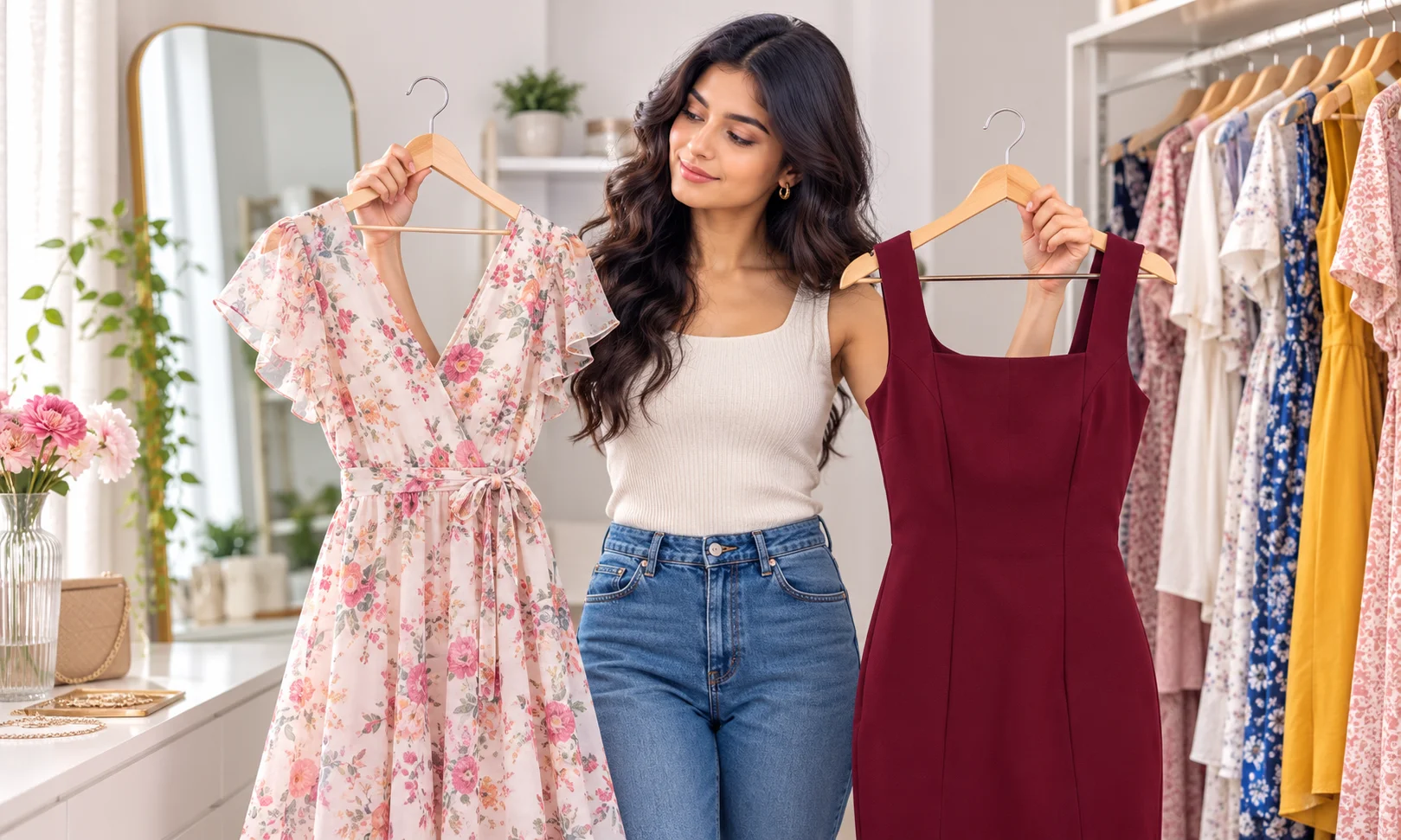
A red dress naturally attracts attention.
An all-black outfit can communicate elegance and confidence.
Bright yellow accessories often suggest creativity and optimism.
While color alone doesn't define personality, it certainly influences perception.
Choosing Colors for Different Occasions
Instead of wearing the same colors every day, consider building outfits based on where you're going and how you want to feel.
Professional meetings often benefit from navy, grey, white, and black.
Casual weekends allow greater flexibility with green, denim blue, beige, and pastel colors.
Special occasions become more memorable with jewel tones like emerald, burgundy, or royal blue.
Summer wardrobes naturally lean toward lighter shades that reflect sunlight, while autumn and winter wardrobes often feature deeper, richer colors.
Build a Wardrobe with Color Balance
Rather than filling your closet with one favorite shade, aim for balance.
A wardrobe built around versatile neutral colors can easily be updated with seasonal statement pieces.
Consider investing in timeless basics such as:
- White shirts
- Black trousers
- Navy jeans
- Grey knitwear
- Beige jackets
Once these essentials are in place, you can introduce brighter colors through shirts, dresses, accessories, shoes, or handbags.
This approach keeps your wardrobe flexible while making outfit planning much easier.
Common Color Mistakes to Avoid
Many people choose colors based solely on current trends without considering whether they complement their personal style or lifestyle.
Another common mistake is combining too many bold colors in one outfit, creating visual clutter instead of balance.
Ignoring skin undertones can also affect how colors appear. Some shades naturally enhance your complexion, while others may make you look tired.
Finally, don't underestimate the importance of confidence. The most stylish outfit is one worn with comfort and self-assurance.
Final Thoughts
Fashion is often described as a form of self-expression, and color is one of its most powerful tools.
Every shade tells a story, communicates emotion, and influences how people perceive you. Whether you prefer timeless neutrals or bold statement colors, understanding color psychology helps you make more intentional wardrobe choices.
The goal isn't to follow strict fashion rules but to wear colors that reflect your personality, suit the occasion, and make you feel your best.
The next time you choose an outfit, take a moment to think about the message your colors are sending. You may be surprised by how much they communicate before you even say a word.
Frequently Asked Questions
Does clothing color really affect first impressions?
Yes. Color is one of the first visual cues people notice and can influence perceptions of confidence, professionalism, friendliness, and creativity.
Which clothing color is best for job interviews?
Navy blue, charcoal grey, white, and black are widely considered professional choices because they project confidence and reliability.
What color makes an outfit look more expensive?
Black, white, camel, navy, and monochromatic neutral combinations often create a premium and sophisticated appearance.
Can wearing certain colors improve confidence?
Many people feel more confident in colors they associate with strength and positivity. While the effect is personal, choosing colors that make you feel comfortable can positively influence your mindset.
How can I add more color to my wardrobe without overdoing it?
Start with neutral basics and introduce color through accessories, outerwear, shoes, or a single statement piece. This creates a balanced and versatile wardrobe while allowing you to experiment with different shades.


 RSS Feed