
How to Style One Dress in Multiple Ways: A Stylist's Complete Guide
-
 StylerOutlet
 - StylerOutlet Blog
- Aug 18, 2026
You know the feeling. You're standing in front of a packed closet, and you still feel like you have "nothing to wear." I've sat through this exact conversation with dozens of clients over the years, and it almost never comes down to owning too few clothes. It comes down to not knowing how far a single piece can actually go.
Here's the thing I wish more people understood before they went shopping again: one well-chosen dress can carry you through a Tuesday morning meeting, a rooftop date, a cousin's wedding, and a weekend flight - without ever looking repeated. The dress doesn't change. Everything around it does.
This guide walks through exactly how to pull that off, occasion by occasion, with real formulas you can copy today.
Why One Dress Can Create Multiple Looks
A dress is really just a canvas. That's not a cute metaphor - it's the practical truth every stylist works from. Once you strip away the pressure to treat a dress as "one outfit," you realize it's actually the base layer of several outfits waiting to happen.
Three things do the heavy lifting when you're building multiple looks from one dress: layers, footwear, and accessories. Change any one of those, and the whole mood of the outfit shifts. Change two or three at once, and most people won't even clock that it's the same dress they saw you in last week.
This isn't just a styling trick, either. It's become a genuine mindset shift in how people shop. More shoppers are deliberately choosing versatile pieces over trend-driven ones, because a dress that adapts to five occasions is quietly worth more than five dresses that only work for one. That's the real logic behind one dress multiple outfits thinking - fewer pieces, more mileage, less decision fatigue on a Monday morning.
Start with Choosing the Right Base Dress
Not every dress is built to multitask. Before you buy - or before you dig through what you already own - look for these traits:
A neutral or versatile color. Black, navy, olive, camel, and terracotta all play well with others. A dress in a loud, single-use print is gorgeous, but it's a one-occasion piece, not a wardrobe workhorse.
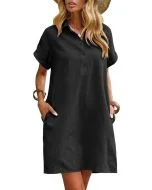
A simple silhouette. Wrap dresses, shirt dresses, slip dresses, and midi dresses in a straight or A-line cut are the easiest to restyle. Anything too structured or too embellished starts to fight with layers and accessories.
Fabric that layers well. Cotton, linen blends, and light knits let you add a jacket or cardigan without looking bulky. Stiff or heavily beaded fabrics resist layering.
A length that works both up and down. Midi dresses are the MVP here - they can be dressed down with sneakers or dressed up with heels, and they photograph well in almost any setting.
My honest advice as a stylist: if you're buying new, spend a little more on this one dress than you normally would. It's replacing four or five other purchases, so the math works out in your favor.
Quick checklist before you buy:
- Neutral or muted color ✔
- Simple, uncluttered silhouette ✔
- Fabric that isn't too stiff or too clingy ✔
- Pockets, if you can get them (small joy, big payoff) ✔
- Midi or knee length for maximum flexibility ✔
Casual Everyday Styling
This is where most people stop thinking, and it's a missed opportunity. A casual look isn't "just throw it on" - it's a deliberate softening of the dress.
Outfit formula: Dress + denim jacket + white sneakers + crossbody bag
Roll the sleeves on the jacket, let the dress hem show a few inches below, and you've got something that reads effortless without trying too hard. Swap sneakers for slides in warmer weather. Add a baseball cap if you're running errands and didn't wash your hair - no judgment, we've all been there.
The mistake I see most often here is over-accessorizing a casual look. Keep jewelry minimal - a pair of hoops and a simple bracelet is plenty. The relaxed silhouette of the outfit should feel unforced.
Office or Work Look
Turning a dress office-appropriate usually comes down to one word: structure. Add a blazer, and suddenly the same dress reads polished instead of playful.
Outfit formula: Dress + tailored blazer + pointed-toe flats or block heels + structured tote
If the dress has any shoulder or arm exposure that feels too casual for your workplace, a fitted cardigan does the same job as a blazer with a softer edge. Belt the dress at the waist if it's on the looser side - it instantly reads more intentional.
Jewelry should stay understated: stud earrings, a slim watch, maybe one delicate necklace. This is not the moment for statement pieces; save those for later in the day if you've got dinner plans.
Dos and don'ts for office styling:
- Do add structure with a blazer or tailored cardigan
- Do choose closed-toe or low block heels for a boardroom-safe finish
- Don't wear the same strappy sandals you'd wear on a date
- Don't skip the bag upgrade - a tote reads more professional than a small clutch
Date Night Styling
Here's where the same dress gets to be dramatic. Strip away the daytime layers, swap flats for heels, and let the dress do more of the talking.
Outfit formula: Dress (layers removed) + heeled sandals or heels + statement earrings + a small clutch
If your dress has straps or a low neckline that felt too much for the office, this is its moment to shine. A deeper red lip, a slicked-back bun, or loose waves - small changes, big shift in energy.
One tip clients don't expect: a thin belt in metallic gold or silver can completely change a simple dress's proportions for evening, cinching the waist and adding a bit of shimmer without needing to change the dress itself.
Weekend Brunch Outfit
Brunch styling sits right between casual and put-together - relaxed, but photo-ready, because let's be honest, there's always a group photo.
Outfit formula: Dress + straw or woven bag + espadrilles or strappy flats + layered thin necklaces
This is a great spot to bring in a printed scarf tied around the bag handle, or sunglasses pushed up into your hair. Brunch outfits benefit from texture - a woven bag next to a smooth dress fabric creates visual interest without adding a single extra garment.
Skip the blazer here. It tends to read too formal for a Saturday morning with mimosas.
Wedding Guest Look
This is the outfit dilemma I get asked about more than almost any other. The good news: your go-to dress can absolutely work as a wedding guest look, provided you dress it up correctly and respect the dress code.
Outfit formula: Dress + heels + statement jewelry + a clutch + optional shawl or pashmina for evening or outdoor venues
Color matters more here than anywhere else on this list. Avoid all-white if the invitation doesn't specify, and steer clear of anything that could compete with the bridal party's colors. A rich jewel tone or classic black (for evening weddings) almost always reads appropriate.
If the dress is on the simpler side, this is where accessories genuinely transform it - a bold cuff, drop earrings, and a metallic clutch turn an everyday piece into something that feels special-occasion.
Travel-Friendly Styling
A good travel dress earns its keep. Wrinkle-resistant fabrics and midi lengths are ideal because they go from airport to dinner without a full outfit change.
Outfit formula: Dress + comfortable slip-on shoes + a lightweight cardigan or oversized shirt + a crossbody bag for security and hands-free movement
Layer with a scarf that can double as a blanket on the plane - a small trick, but a genuinely useful one. Choose shoes you can slip off easily at security; block-heel sandals or knit sneakers both work well depending on climate.
This is one place I always tell clients: pack the dress, then pack three small accessory changes instead of three separate outfits. You'll use less suitcase space and still have distinct looks for each day.
Layering Ideas for Every Season
Layering is the single biggest lever for turning one dress into a year-round piece, not just a seasonal one.
- Spring: A lightweight trench or denim jacket, ankle boots
- Summer: No layers, or a thin kimono for sun coverage
- Fall: A chunky cardigan, suede jacket, or turtleneck worn underneath a sleeveless dress
- Winter: A wool coat, tights, and a turtleneck layered under the dress for warmth, paired with tall boots
Layering underneath a dress - like a turtleneck or long-sleeve top beneath a sleeveless style - is an underused trick. It changes the neckline and silhouette entirely while keeping you warm, and it's one of the fastest ways to make a summer dress feel like a fall outfit.
Shoes That Completely Change the Outfit
If I had to pick the single most transformative element on this entire list, it's footwear. The same dress on sneakers versus heels can look like two completely different price points and two completely different moods.
|
Shoe Type |
Mood It Creates |
|
White sneakers |
Casual, youthful, everyday |
|
Ankle boots |
Edgy, transitional, fall-ready |
|
Block heels |
Polished but comfortable, office-friendly |
|
Strappy heels |
Elevated, date-night, evening |
|
Espadrilles |
Relaxed, summery, brunch-appropriate |
|
Knee-high boots |
Bold, wintery, fashion-forward |
Try this exercise at home: put the same dress on with three different shoe options and look in a full-length mirror each time. You'll see immediately how much a shoe choice changes the whole read of an outfit - often more than any other single change.
Accessories That Transform a Dress
Accessorizing dresses is where personal style really gets to show up. A few categories worth investing in:
Belts - instantly redefine the waistline and can make a shapeless dress look tailored. Statement earrings - draw the eye upward and dress up even the most basic silhouette. Layered necklaces - add texture without needing to change the dress at all. Scarves - tied on a bag, around the neck, or even as a headband, endlessly versatile. Belted jackets or blazers - add structure and a completely new silhouette.
A quick rule I give clients: if the dress is busy (print, texture, embellishment), keep accessories minimal. If the dress is simple, accessories are where you get to have fun.
Hairstyles That Match Different Looks
Hair is often the forgotten styling tool, but it does more than people give it credit for.
- Sleek low bun - instantly reads polished, great for office or wedding guest looks
- Loose waves - soft and romantic, ideal for date night
- High ponytail - sporty and clean, perfect for casual or brunch outfits
- Half-up style - versatile middle ground that works for almost any daytime occasion
- Braids - great travel option since they hold up over a long day without needing a touch-up
Changing your hairstyle alone, without touching the outfit, can shift how formal or casual the whole look reads. It's one of the lowest-effort, highest-impact changes on this list.
Makeup Variations
The same principle applies to makeup. A soft, dewy base with a nude lip reads daytime and casual. Add a defined eye or a bold lip, and the exact same dress suddenly looks evening-ready.
For office looks, I recommend a matte, low-shimmer finish - it photographs and video-calls better under fluorescent lighting. For date night, a cream blush and a deeper lip color do a lot of work in very little time. Wedding guest makeup should be a notch more polished than everyday but not competing with the bride - think defined but not dramatic.
Color Coordination Tips
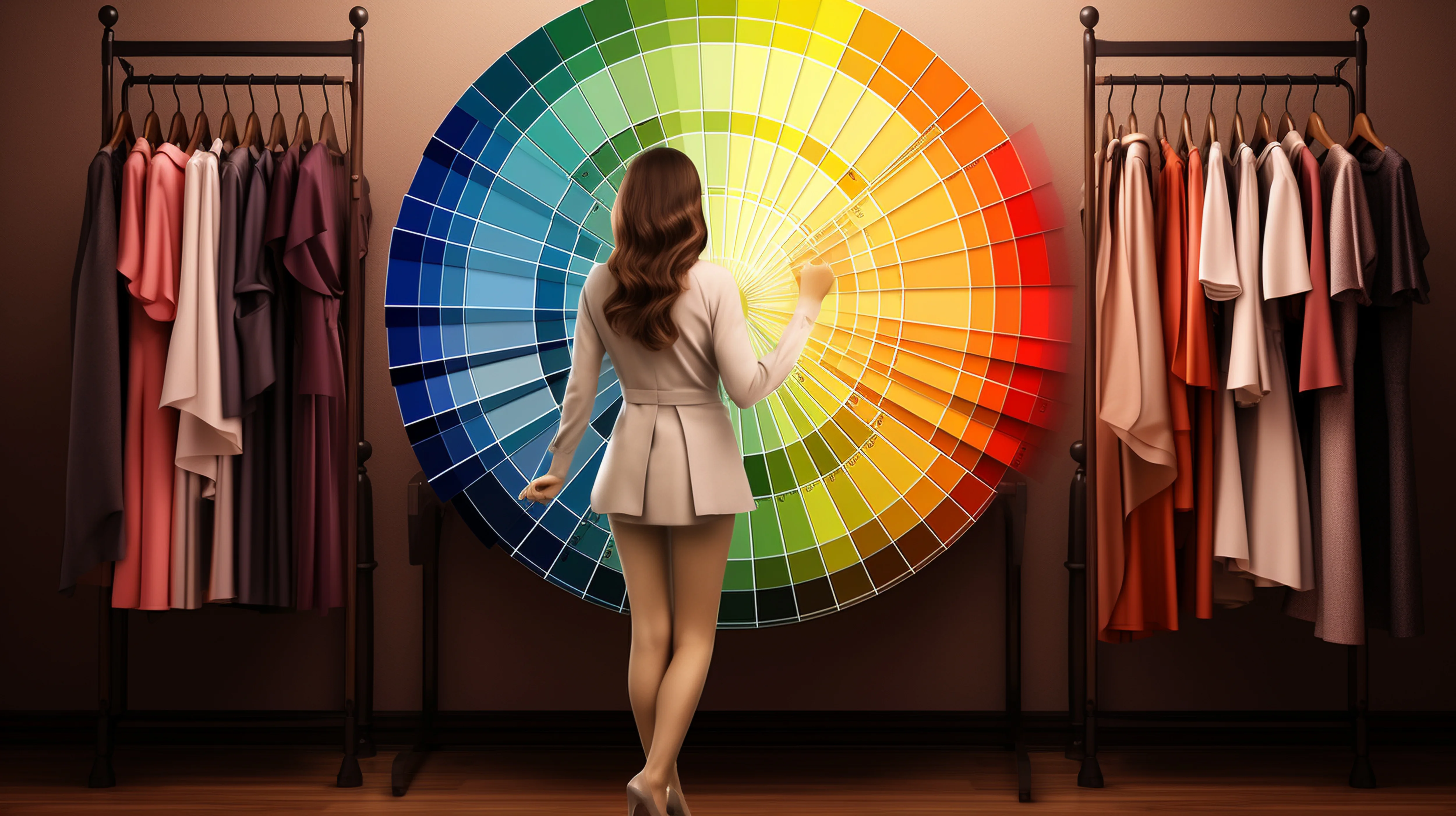
Because your base dress is likely neutral, color coordination becomes about your layers and accessories rather than the dress itself.
- Stick to one dominant accent color per outfit - a red bag and red lip together, not red plus orange plus pink
- Metallics (gold, silver, bronze) act as neutrals and pair with almost anything
- Cool-toned dresses (navy, black, grey) pair beautifully with jewel tones like emerald or burgundy
- Warm-toned dresses (camel, terracotta, olive) pair well with mustard, rust, or cream
If you're ever unsure, a simple trick works nearly every time: pick one accessory in a bold color and keep the rest neutral.
Seasonal Styling Guide
Spring: Light cardigan, ankle boots or flats, pastel or floral scarf accents Summer: No layers, strappy sandals, straw bag, sun-friendly accessories Fall: Suede jacket or chunky knit, ankle boots, deeper color accessories Winter: Wool coat, tights, tall boots, layered turtleneck underneath
This seasonal styling guide isn't about buying new pieces every three months - it's about rotating what you already own around the same base dress.
Common Styling Mistakes
A few patterns show up again and again with clients, so it's worth naming them directly:
- Over-accessorizing casual looks. Save the statement pieces for evening.
- Wearing the same shoes for every occasion. This is the fastest way to make five outfits look like one.
- Ignoring proportions. A long cardigan over a long dress can swallow your shape - try a cropped layer instead.
- Skipping the mirror check from the back and side. Fit issues often hide from a front-only view.
- Not trying the dress with hair up and down before deciding. It changes the neckline's whole effect.
None of these are dramatic errors, but fixing them is often the difference between an outfit that looks "fine" and one that looks intentional.
Budget-Friendly Styling Hacks
You don't need a full new wardrobe to pull off dress outfit inspiration on a budget:
- Thrift a denim or blazer layer - these age well and rarely look worn
- Rotate a handful of affordable jewelry pieces rather than buying trend-driven items
- Use scarves as multi-purpose accessories - headband, neck accent, bag tie
- Borrow statement shoes for one-time events like weddings instead of buying new
- Shop your own closet first; most people already own more restyling potential than they realize
This is really the heart of capsule wardrobe ideas - fewer core pieces, deliberately chosen, restyled constantly.
Sustainable Fashion Benefits
There's a genuine sustainability case here too, and it's worth taking seriously, not just as a trend but as a smarter way to shop. Every time you restyle instead of rebuy, you're reducing textile waste and slowing down the cycle of fast, disposable fashion. A single quality dress worn twenty different ways has a far smaller footprint than twenty single-use outfits.
It's also, frankly, better for your wallet and your closet space. A capsule-minded wardrobe built around versatile pieces tends to cost less over time, even when the individual pieces are a bit more expensive upfront.
Frequently Asked Questions
Can one dress really work for both office and evening wear?
Yes, as long as the base dress is simple. Add a blazer and flats for office, then swap to heels and remove the blazer for evening h same dress, two completely different outfits.
What type of dress is easiest to restyle?
Midi-length wrap dresses and simple shift dresses in neutral colors are the easiest to work with because they layer well and pair with almost any shoe or accessory style.
How many outfits can I realistically create from one dress?
With thoughtful layering, footwear, and accessory changes, most versatile dresses can generate six to ten distinct looks.
Is it okay to wear the same dress to two events with the same guest list?
Yes, as long as you restyle it noticeably - different shoes, accessories, or layers. Most people won't even register it's the same base piece.
What's the fastest way to make a dress look more expensive?
Add a structured belt and swap in one metallic accessory, like a bag or jewelry piece. It's a small change with a surprisingly large visual effect.
Can I wear the same dress for a wedding and a work event?
Absolutely, provided you change the color palette of your accessories and adjust formality - think heels and statement jewelry for the wedding, flats and understated pieces for work.
How do I choose shoes that won't clash with the dress?
Match the shoe's formality to the occasion first, then coordinate color second. A neutral shoe (nude, black, tan) is the safest starting point if you're unsure.
Do layers work with every dress silhouette?
Most layers work best with A-line, wrap, or shift silhouettes. Very fitted or heavily structured dresses can look bulky under jackets, so opt for a cropped or open-front layer instead.
Is investing in one high-quality dress better than buying several cheaper ones?
For most wardrobes, yes. A well-made, versatile dress typically outperforms several trend-driven pieces in both cost-per-wear and longevity.
What accessories give the biggest transformation for the least effort?
Statement earrings and a belt. Both take seconds to add and change the entire read of an outfit more than almost any other accessory category.
Final Thoughts
Once you start seeing a dress as a foundation rather than a finished outfit, your entire approach to getting dressed changes. You stop asking "what should I wear" and start asking "how do I want to style what I already have." That shift alone saves time, money, and a fair amount of morning stress.
The next time you reach for that one dress you love, resist the urge to save it for "the right occasion." Style it for Tuesday. Then style it differently for Friday. You'll be surprised how much range one good piece actually has - and how much more confident you feel once you know exactly how to work it.


 RSS Feed